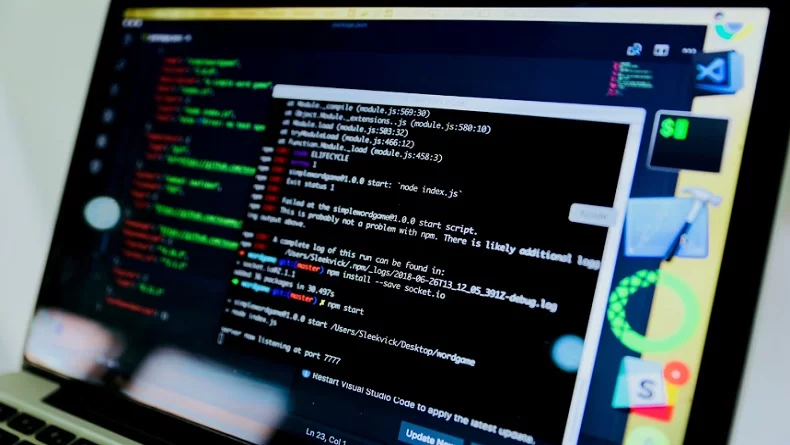
The field of software development has always been shaped by innovation, from the early days of assembly language programming to the rise of high-level languages and integrated development environments. In recent years, however, one transformative force has emerged that is reshaping not just the tools but also the very processes of software creation: artificial intelligence (AI). The influence of AI on software development is profound, spanning automation, optimization, and even creativity. By augmenting human capabilities, AI is redefining how software is built, tested, and maintained, ushering in a new era of intelligent development.
Artificial intelligence refers to systems that can simulate aspects of human cognition, including learning, reasoning, and problem-solving. In software development, AI is applied through machine learning algorithms, natural language processing, and pattern recognition. These technologies allow machines to analyze data, recognize patterns, and make predictions or decisions without explicit programming. For developers, this means that tasks once requiring extensive manual effort can now be automated or enhanced, improving efficiency and reliability.
One of the most visible ways AI influences software development is through code generation. Tools powered by AI can translate natural language descriptions into functional code, enabling faster prototyping and reducing the gap between design and implementation. For example, AI-based assistants suggest code snippets, complete functions, or identify bugs as developers type. This capability not only accelerates development but also lowers barriers for newcomers, allowing individuals with limited programming knowledge to create functional applications. In this sense, AI democratizes software creation while enhancing productivity for seasoned professionals.
Testing and debugging, traditionally time-consuming aspects of development, have also been revolutionized by AI. Machine learning models can analyze historical defect data to predict where bugs are likely to occur in new code. Automated testing frameworks driven by AI adapt test cases dynamically, identifying edge cases that might be missed by human testers. By continuously learning from new data, these systems improve their accuracy over time, ensuring more reliable and robust software. This shift from static to adaptive testing reflects how AI brings intelligence into every stage of the software lifecycle.
AI also plays a crucial role in software optimization. By analyzing performance metrics, usage patterns, and resource consumption, AI tools can recommend optimizations that improve speed, scalability, and energy efficiency. For cloud-based applications, AI systems automatically allocate resources based on demand, reducing costs while maintaining performance. In mobile and embedded systems, AI-driven optimizations extend battery life and improve user experience. These enhancements demonstrate how AI not only accelerates development but also elevates the quality of the software produced.
The integration of AI into software development workflows has also changed collaboration. Natural language processing enables more intuitive interactions between developers and machines. AI-powered project management tools analyze team productivity, forecast project timelines, and identify potential risks. Chatbots integrated into development platforms answer questions, provide documentation, and even perform administrative tasks, reducing the cognitive load on developers. This collaborative intelligence blurs the line between human and machine roles, creating teams where AI acts as a supportive partner.
Security is another domain where AI’s influence is profound. Cybersecurity threats evolve constantly, requiring adaptive and intelligent defenses. AI tools analyze vast datasets of network traffic, user behavior, and known attack signatures to identify anomalies that indicate potential breaches. In software development, these systems can scan code for vulnerabilities, recommend patches, and even block insecure coding practices in real time. By embedding security intelligence into the development pipeline, AI helps ensure that reliability and safety are built into software from the outset.
The rise of AI-driven low-code and no-code platforms is perhaps the most disruptive development. These platforms allow users to create applications by dragging and dropping components, with AI filling in the underlying code. This shift expands the pool of people capable of creating software, empowering business users, educators, and entrepreneurs to build solutions without relying solely on professional developers. While such tools may not replace complex, large-scale development, they significantly accelerate innovation by lowering entry barriers and enabling rapid experimentation.
However, the influence of AI on software development is not without challenges. One concern is over-reliance on automated tools, which may lead to a decline in critical thinking and problem-solving skills among developers. AI-generated code can sometimes lack transparency, making it difficult to understand or debug. Ethical concerns also arise, as AI systems may inadvertently embed biases from their training data into the software they help produce. Addressing these challenges requires developers to use AI as an assistant rather than a replacement, maintaining oversight and accountability.
Another challenge lies in the complexity of integrating AI into development workflows. Training machine learning models requires significant computational resources and high-quality data. For small organizations or individual developers, these requirements can be prohibitive. Moreover, AI tools themselves need to be continuously updated and maintained, creating new layers of dependency. While large tech companies can absorb these costs, broader adoption will depend on making AI tools more accessible, affordable, and transparent.
The cultural impact of AI in software development is also noteworthy. Traditionally, software development has been seen as a craft requiring deep technical expertise. With AI automating many aspects of coding and testing, the role of developers is shifting toward higher-level design, problem-solving, and creativity. Developers may spend less time writing lines of code and more time defining requirements, ensuring ethical considerations, and aligning software with human needs. This shift underscores how AI is transforming not just the process but also the identity of software development as a profession.
Looking ahead, the influence of AI on software development will likely intensify. As AI models become more sophisticated, they will move from assisting with specific tasks to orchestrating entire workflows. Autonomous coding agents could design, implement, test, and deploy software with minimal human intervention, particularly for routine or repetitive tasks. At the same time, AI will drive the creation of entirely new forms of software, such as adaptive applications that evolve in real time based on user behavior or environmental conditions.
In conclusion, artificial intelligence is profoundly reshaping software development by automating tasks, optimizing performance, enhancing collaboration, and expanding access to software creation. While challenges remain, including ethical concerns, transparency, and accessibility, the benefits of AI integration are undeniable. The influence of AI on software development represents not a replacement of human creativity but a powerful augmentation of it. As this partnership between humans and intelligent machines deepens, software development will become faster, more efficient, and more innovative, setting the stage for unprecedented advancements in technology and society.